Decentralized Water and Wastewater Infrastructure for First Nations and Indigenous Communities
Decentralized drinking water and wastewater systems designed for communities facing infrastructure constraints, supporting regulatory compliance, long-term operation, and reliable performance in remote and underserved environments.
Water and Wastewater Infrastructure Challenges in First Nations and Indigenous Communities
Access to safe drinking water and reliable wastewater treatment remains a critical challenge in many First Nations and Indigenous communities. Geographic isolation, limited access to centralized infrastructure, and evolving regulatory requirements create complex conditions for both new and existing developments.
Conventional centralized systems are not designed to address these realities. Key limitations include:
- Extending infrastructure to remote or dispersed communities significantly increases capital costs and logistical complexity
- Municipal systems rely on long planning and approval timelines that delay essential infrastructure delivery
- Funding and system expansion often depend on external agencies and government processes, reducing local control and responsiveness
- Existing systems are often aging or undersized, creating additional challenges for upgrades and regulatory compliance
- Limited access to trained operators can impact long-term system performance and reliability
These constraints delay infrastructure development, restrict housing and community growth, and limit access to safe drinking water and reliable wastewater treatment.

A Different Approach to Community Infrastructure
GEL provides decentralized water and wastewater infrastructure that operates independently of centralized municipal systems, giving communities greater control over how and when infrastructure is deployed. This approach enables communities to deploy infrastructure where it is needed, without waiting for large-scale system expansion.
By combining modular system design with long-term operational responsibility, GEL supports both drinking water and wastewater treatment through solutions that are scalable, adaptable, and aligned with regulatory requirements.
Tailored Water and Wastewater Solutions
GEL delivers integrated systems designed to address both drinking water and wastewater challenges in First Nations and Indigenous communities.
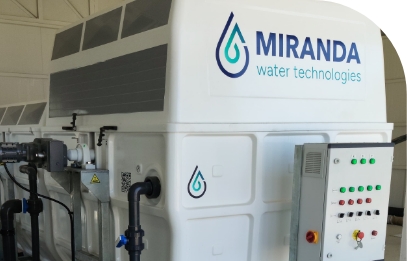
Miracell® Ultra
Miracell® Ultra provides advanced wastewater treatment in a compact and modular format, supporting consistent performance and compliance with environmental regulations.
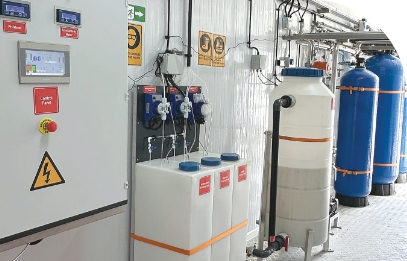
R/OCell®
R/OCell® enables the treatment of brackish or contaminated water sources, supporting access to safe drinking water in areas where conventional sources are limited or unreliable.
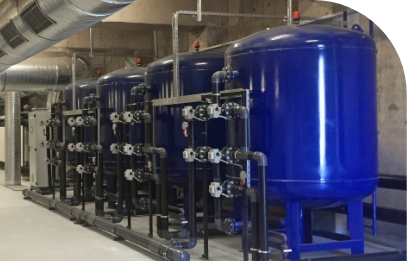
Filtration Systems
Filtration Systems provide additional treatment stages to address specific water quality challenges, ensuring that both drinking water and wastewater systems meet required standards.
A Fully Managed Infrastructure Model
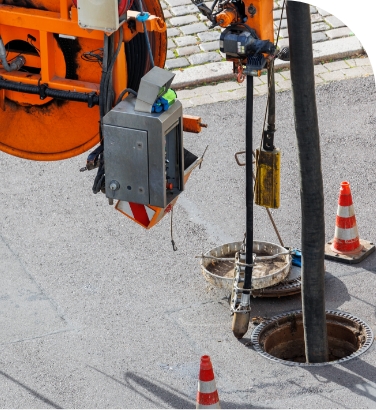
GEL operates as a private water and wastewater utility, taking full responsibility for system performance over the entire infrastructure lifecycle.
This includes system design, permitting support, construction, and long-term operation. By maintaining responsibility for performance over time, GEL ensures consistent compliance with drinking water and wastewater standards while reducing the operational burden on local communities.
Delivery and ongoing support are provided through GEL North, ensuring that infrastructure solutions are implemented with regional expertise and a clear understanding of local conditions.
Outcomes
- Supports access to safe drinking water and reliable wastewater treatment
- Enables housing development and community expansion
- Reduces dependency on centralized infrastructure and external timelines
- Provides scalable systems aligned with long-term community growth
- Ensures ongoing compliance with drinking water and wastewater standards
- Supports long-term operational performance and accountability

Plan Water and Wastewater Infrastructure for Your Community
Connect with GEL to explore decentralized drinking water and wastewater solutions designed for First Nations and Indigenous communities, supported by long-term operation and regional delivery through GEL North.