
Hauled and Liquid Waste Treatment Facilities
Independent wastewater receiving and treatment facilities that expand capacity and ensure compliance where municipal systems are constrained.
Expanding Wastewater Capacity Beyond Municipal Systems
Across Ontario, municipalities and developers are facing increasing pressure from limited wastewater treatment capacity, regulatory requirements, and growing demand. Expanding centralized sewer infrastructure is often complex, time-consuming, or not feasible within project timelines.
GEL develops and operates hauled and liquid waste treatment facilities that provide independent receiving, processing, and wastewater treatment capacity. These wastewater management solutions are designed to support contractors, industrial operators, and municipalities while ensuring compliant handling and long-term operational reliability.
These facilities play a critical role in modern wastewater infrastructure by providing flexible, decentralized treatment capacity where traditional systems cannot expand.

Controlled and Compliant Infrastructure Model
GEL operates as a private wastewater utility, integrating permitting, infrastructure development, and long-term operation under a single accountable model. Each facility is designed to manage controlled intake, monitor wastewater characteristics, and deliver consistent treatment performance aligned with environmental regulations.
By maintaining ownership and operational responsibility, GEL provides a reliable alternative to overburdened municipal systems while ensuring transparency, compliance, and long-term system performance.
How Hauled Liquid Waste Treatment Facilities Operate
Hauled and liquid waste treatment facilities receive wastewater from external sources, including septage, industrial wastewater, and contaminated liquid waste streams. Wastewater is managed through controlled intake processes, followed by treatment systems designed to meet regulatory discharge and environmental standards.
Facilities are engineered to handle variable volumes and wastewater characteristics, ensuring stable and consistent processing. Monitoring, reporting, and operational oversight are integrated into daily operations to maintain compliance, system performance, and environmental protection.
Key Benefits of Independent Wastewater Receiving Facilities

Capacity Expansion
Supports additional wastewater volumes without requiring upgrades to municipal treatment infrastructure.

Regulatory Compliance
Designed to meet environmental standards through controlled intake, monitoring, and reporting processes.
Operational Reliability
Provides consistent wastewater processing for contractors, municipalities, and industrial users.
Infrastructure Flexibility
Can be developed to serve specific regions, industries, and project requirements.
Reduced Municipal Burden
Diverts hauled liquid waste from municipal systems, improving overall infrastructure efficiency.
Controlled Wastewater Intake
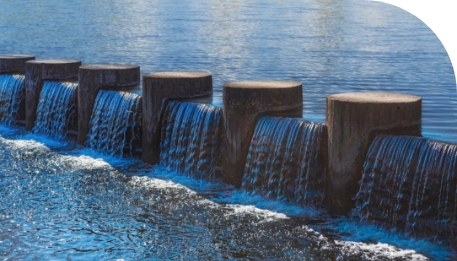
Ensures safe handling of varying wastewater types through regulated receiving and management processes.

Long Term Accountability
Operated under a private utility model with full lifecycle responsibility from permitting through ongoing operation.
Where Hauled and Liquid Waste Treatment Facilities Are Used

First Nations and Indigenous Communities
Supports wastewater and septage management in communities with limited centralized infrastructure, ensuring reliable and compliant long-term operation.
Remote and Northern Communities
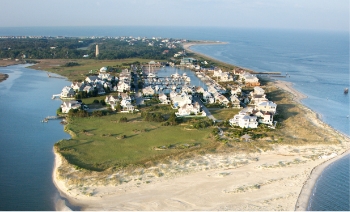
Provides independent wastewater receiving and treatment capacity in regions with limited access, challenging climates, and infrastructure constraints.
Oil, Gas, and Energy Operations
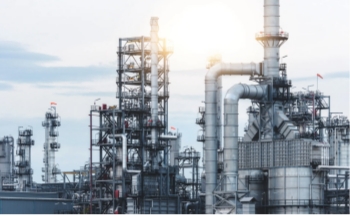
Enables compliant handling and treatment of industrial wastewater and hauled waste streams from resource extraction, processing, and remote operational sites.
Municipal Capacity Support
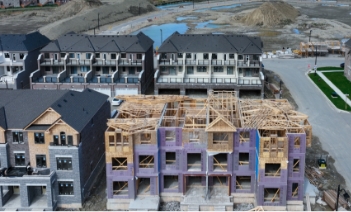
Expands wastewater receiving capacity for municipalities managing overflow, seasonal demand, and infrastructure limitations.
Treatment Capabilities and Wastewater Types

PFAS and Contaminated Wastewater
Supports treatment strategies for emerging contaminants, including PFAS, in alignment with evolving environmental regulations and monitoring requirements.

Brine and High Salinity Wastewater
Provides infrastructure for managing and treating high salinity wastewater streams, supporting recovery, concentration, and responsible disposal.
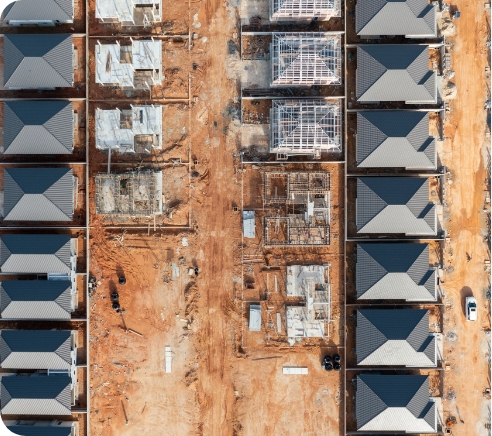
Add Capacity Without Expanding Municipal Infrastructure
When wastewater capacity becomes a limiting factor for operations or development, independent treatment facilities offer a reliable, compliant solution. GEL works with municipalities, contractors, and industry partners to design and operate wastewater infrastructure that aligns with site conditions, regulatory requirements, and long-term operational needs.
Discuss Your Project