
Decentralized Wastewater Infrastructure
On-site systems supporting development beyond municipal sewer limits, ensuring compliance and long-term performance.
Unlock Development Where Sewer Access Is Limited
Limited access to municipal wastewater infrastructure is one of the most common barriers to development across Ontario. Sewer capacity constraints, infrastructure expansion timelines, and regulatory requirements can delay or prevent projects from moving forward.
GEL delivers decentralized wastewater infrastructure through development site micro utility systems. These on site systems are designed to enable residential, mixed use, and community developments to proceed without reliance on centralized sewer networks while maintaining compliance with environmental standards.
This micro utility model allows wastewater infrastructure to be deployed, operated, and maintained independently of municipal systems.

A Utility Model Built for Developers and Long-Term Operation
GEL operates as a private wastewater utility, managing system design, permitting, construction, and ongoing operation under a single accountable structure. This model ensures that wastewater infrastructure is not only approved and installed, but also consistently operated in compliance with environmental regulations.
By retaining ownership and responsibility, GEL reduces risk for developers and municipalities, eliminates fragmented system management, and ensures long-term performance throughout the development lifecycle.

How On-Site Wastewater Systems Support Development
Decentralized wastewater systems collect, treat, and manage wastewater directly within the project site using engineered treatment processes designed to meet discharge or reuse standards. These systems eliminate the need for connection to municipal sewer networks while maintaining environmental compliance.
Infrastructure can be deployed in phases, allowing wastewater capacity to scale alongside construction and occupancy. Integrated monitoring and operational oversight ensure that systems perform reliably and meet regulatory requirements over time.
Benefits of Decentralized Wastewater Infrastructure
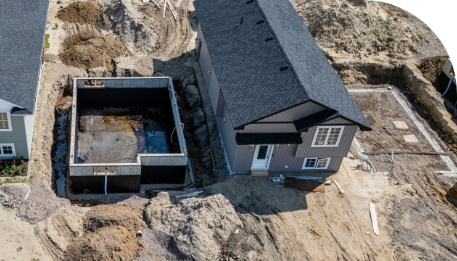
Enables Development Without Sewer Access
Allows projects to proceed in areas where municipal wastewater infrastructure is unavailable or constrained.

Supports Regulatory Approvals
Designed to meet environmental compliance requirements and facilitate permitting processes.

On-Site Wastewater Treatment
Provides decentralized wastewater treatment systems that operate independently from centralized networks.
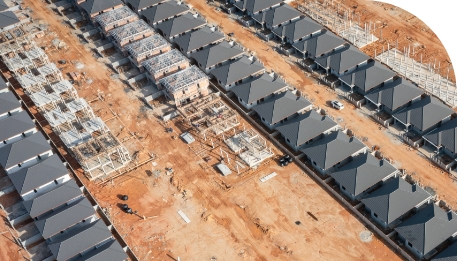
Scalable with Project Growth
Infrastructure can expand alongside phased development and increasing demand.
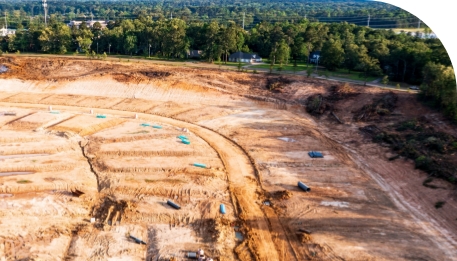
Reduces Infrastructure Delays
Removes dependency on municipal expansion timelines and capacity limitations.

Private Utility Operation
Ensures consistent performance through long-term ownership, monitoring, and compliance management.
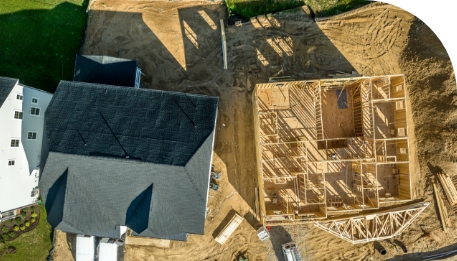
Maximizes Land Value
Unlocks development potential in areas previously constrained by infrastructure.
Applications for Decentralized Wastewater Infrastructure

Residential and Master Planned Communities
Supports subdivisions and large-scale residential developments, including phased projects that require scalable, decentralized wastewater infrastructure beyond municipal sewer access.

Mixed Use and Commercial Developments
Provides wastewater infrastructure for integrated residential, commercial, and community projects requiring reliable on-site wastewater treatment systems.

First Nations and Indigenous Communities
Supports long-term wastewater infrastructure aligned with community needs, regulatory requirements, and sustainable development goals.
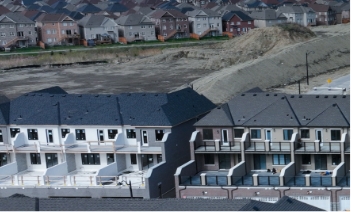
Remote and Infrastructure Constrained Developments
Enables development in regions with limited or no access to centralized wastewater infrastructure, including northern and remote locations.

Resorts and Destination Properties
Provides decentralized wastewater systems for hospitality and destination developments located outside municipal service boundaries, supporting operational reliability and environmental compliance.

Municipal and Regional Infrastructure Expansion
Supports municipalities and regional authorities in expanding wastewater infrastructure through decentralized systems, reducing pressure on centralized treatment facilities, and enabling sustainable growth.

Advance Your Project Without Waiting for Infrastructure Expansion
When municipal wastewater infrastructure becomes a constraint, decentralized systems provide a clear and reliable path forward. GEL works with developers, municipalities, and community partners to deliver wastewater infrastructure that supports approvals, accelerates timelines, and ensures long term operational success.
Discuss Your Project